
 Dolls · Parts · Custom help
1. Measure the room and access route
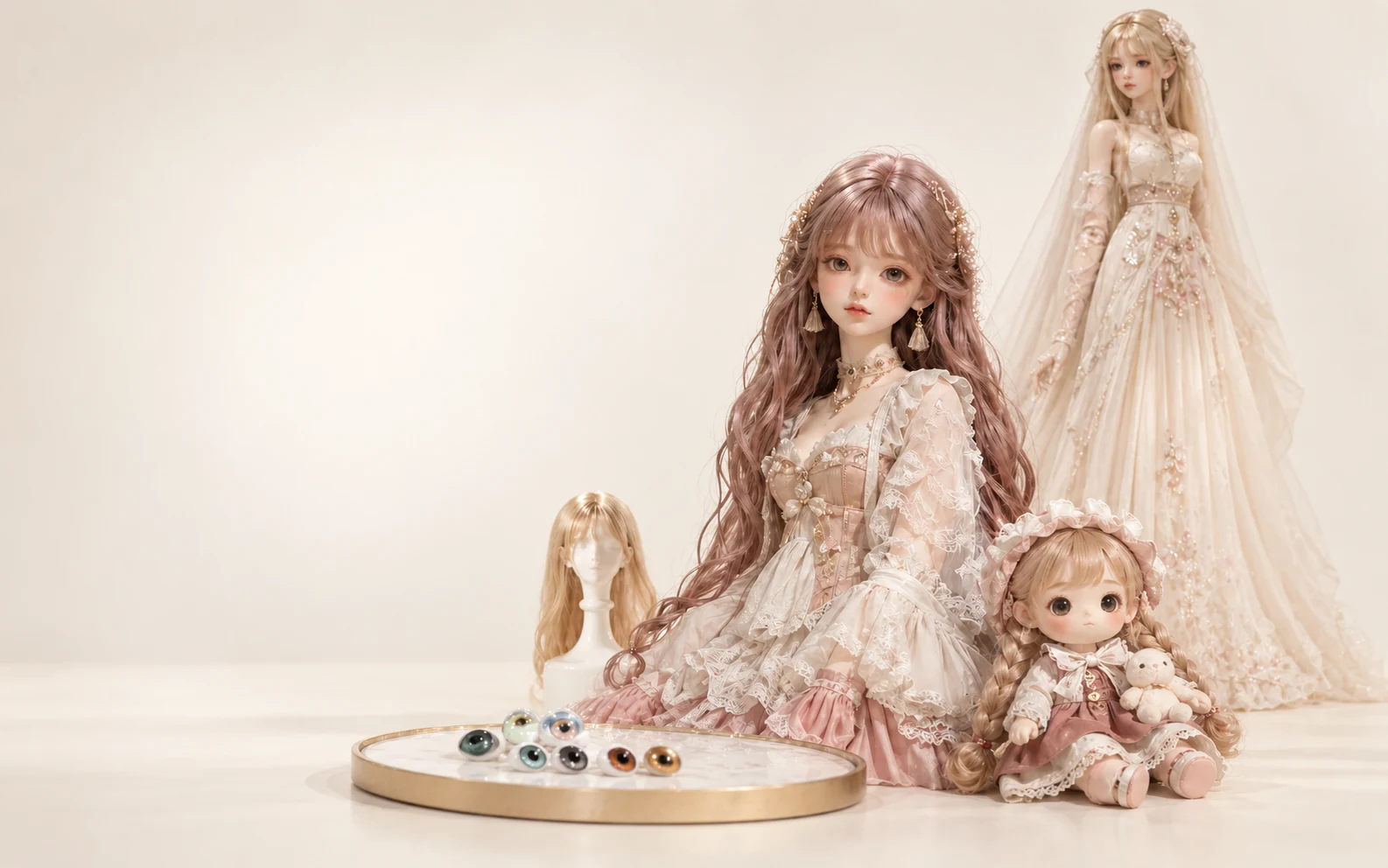
A stated height of 120cm does not give the complete display footprint. Record the available height, width and depth, then compare them with the assembled doll, stand and outfit dimensions.
Measure doorway widths, corridor turns and storage access. Ask whether the supplier’s height includes shoes or other attachments.
2. Match support to the specific model
Request the doll’s actual weight, approved support points and any standing or posing limitations. Compare these with the stand’s stated capacity, height range and base dimensions.
Ask whether a stand is included. A support method suitable for another doll is not evidence that it is suitable for this model.
3. Record clothing and accessory measurements
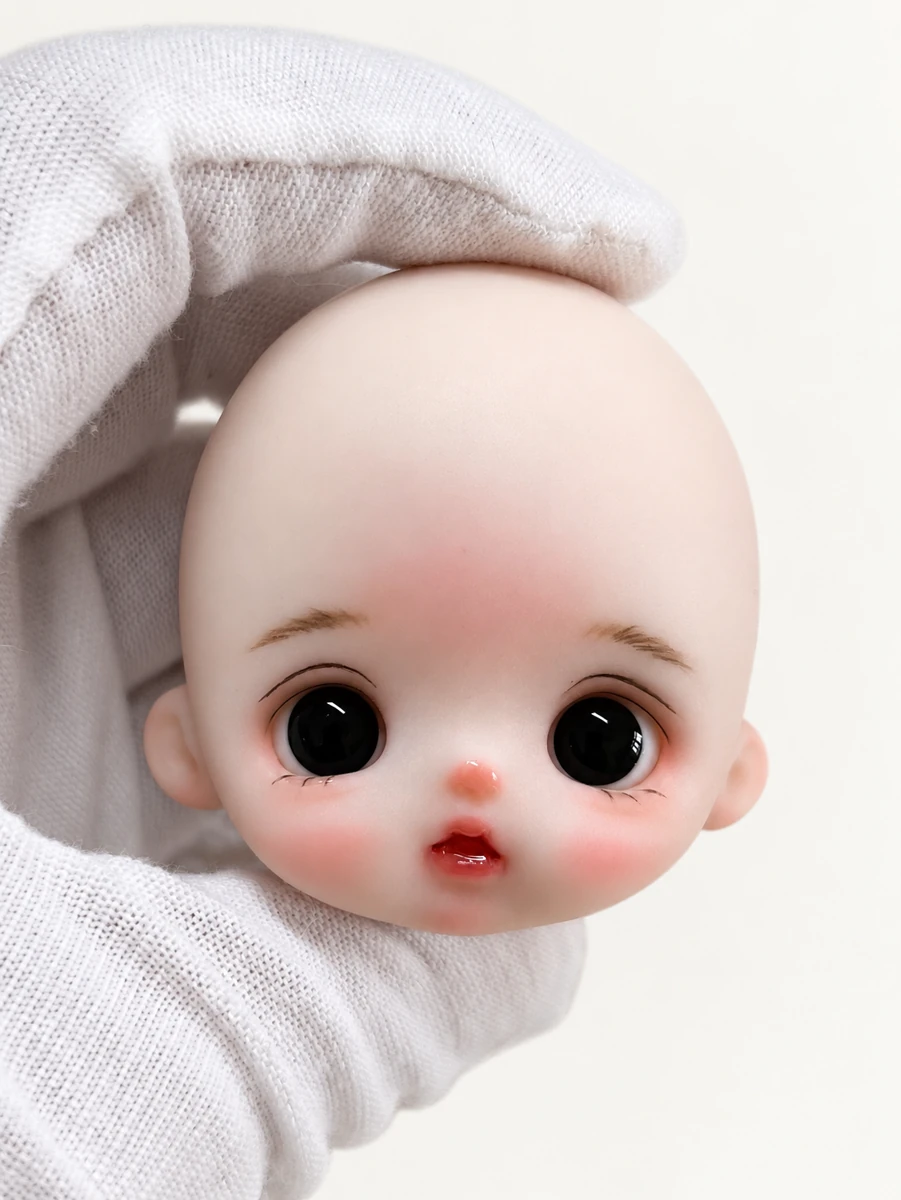
Request shoulder width, chest, waist, hips, arm and leg lengths, and foot length and width. For wigs, ask for head circumference and the attachment method.
Use the garment maker’s measurements and allowance guidance. The same 120cm height does not establish identical body proportions, and BJD scale labels do not confirm fit.
Open the size and fit planner →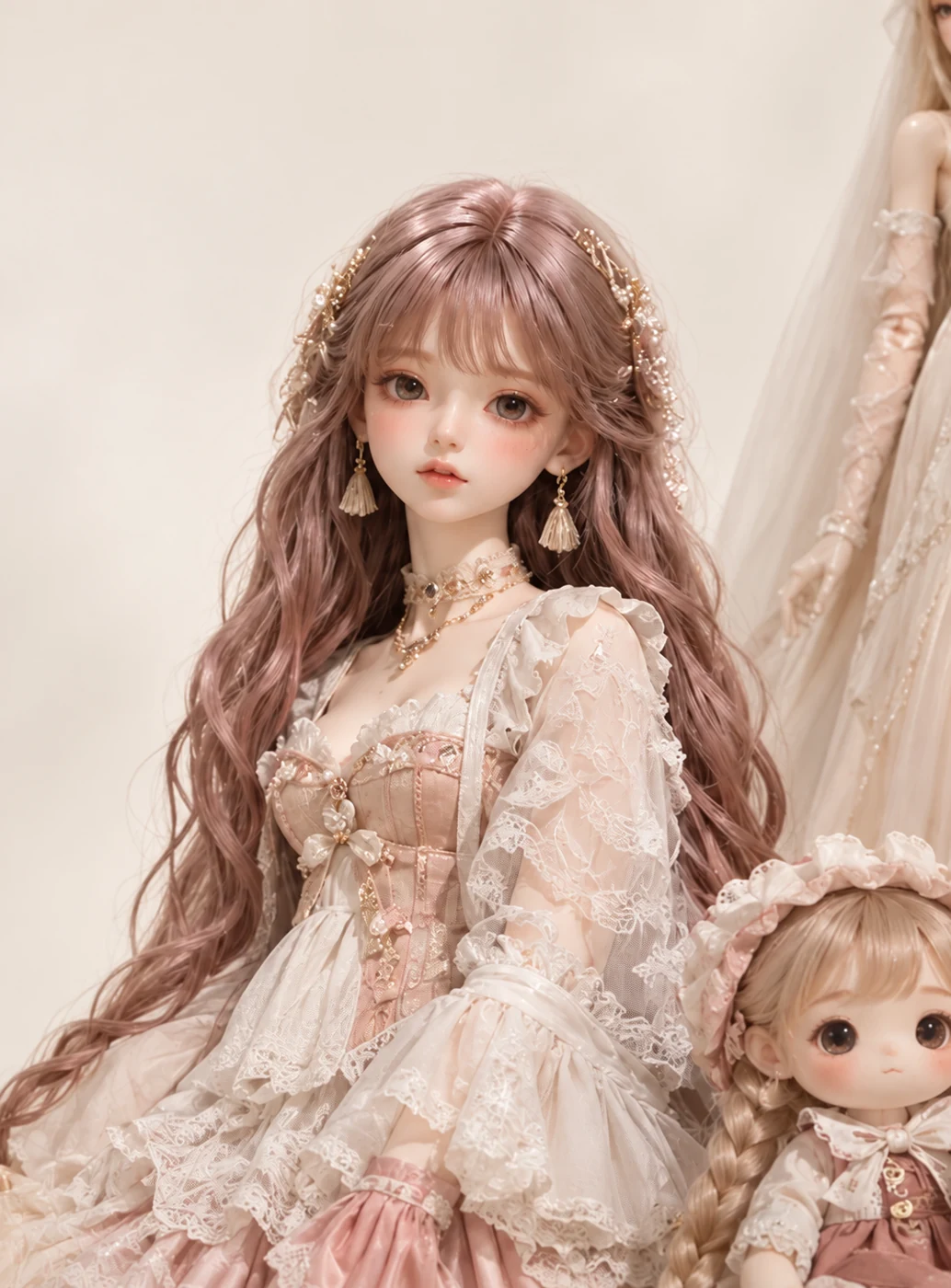
4. Confirm packed size and delivery details
Ask for the number of cartons, each carton’s length × width × height, gross weight and protection method. Share your destination country and city and any building access limits for a route check.
Request a written breakdown of item cost, service fees and shipping. Keep unconfirmed import charges or delivery costs marked as unknown. Follow the supplier’s material-specific care and storage instructions.
Prepare a shipping request →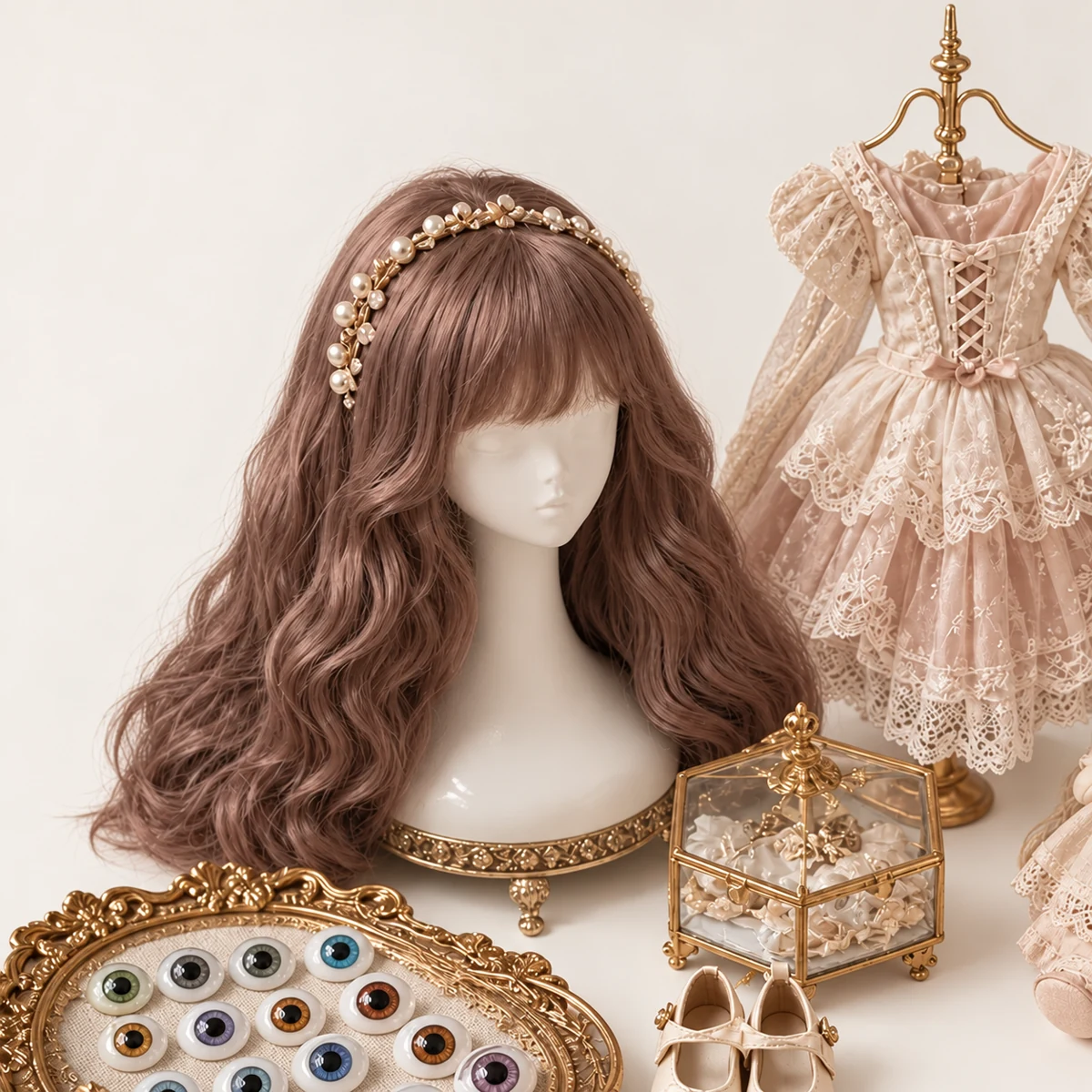
Last reviewed .